To most people, the name of John W. Campbell may not exactly ring a bell; however, Campbell was probably one of the most influential persons in the history of American science fiction. As the editor of the legendary "Astounding Stories" magazine, Campbell changed the name to "Astounding Science Fiction", and began to publish new young writers such as Lester del Rey, Robert A. Heinlein and Isaac Asimov; essentially shaping up what later was known as the "Golden Age of Science Fiction". Nevertheless, Campbell wasn't only a skilled hunter of new talents, he was also a prolific writer himself, using both his name and the pseudonym Don A. Stuart. Campbell's novella "Who Goes There?", published in 1938, is perhaps his most famous work, not only because of its literary qualities (it's considered one of the finest American sci-fi novellas of all time) but also because of its film adaptations. The first of this adaptations is the 1951 classic "The Thing from Another World", a movie produced (and perhaps directed) by none other than Howard Hawks.
"The Thing from Another World" begins when a North Pole base, Polar Expedition Six, requests an Air Force resupply crew. Captain Pat Hendry (Kenneth Tobey) is sent to the place, taking amongst his crew a reporter, Ned Scott (Douglas Spencer). As they arrive, they are greeted by Doctor Carrington (Robert Cornthwaite) and Doctor Redding (George Fenneman), whom inform them the reason of their request: a strange flying object crashed near their base, and they need to go and investigate. Pat's crew and the scientist travel to the crash site and discover that what crashed in the ice is actually a flying saucer. While they try to uncover the spaceship, the crew accidentally destroys it with the explosives, however, not everything is lost, as a frozen body is found in the ice nearby. The group excavates the body and take it back to their base, still in the large block of ice. A storm hits the base and leaves them without communication, and the strange being that was found at the crash site, begins to wake up.
Adapted by prolific scriptwriter Charles Lederer (though Ben Hecht and Howard Hawks himself also had uncredited but major participations), "The Thing from Another World" diverts significantly from the novella, and changes the basic nature of the monster. While in Campbell's story the monster was able to imitate humans (providing the suspense and paranoia), in Lederer's screenplay the Thing is an intelligent humanoid being with cellular structure related to vegetation. With this change, the story is less about the monster, and more about the social interactions between the crew and the scientists, particularly on the subject of how to deal with the Thing. On one side, the scientists of Dr. Carrington want to preserve the Thing alive, while Captain Pat Hendry wants to destroy it. Lederer takes the side of the soldiers, reflecting the general distrust of science that was felt after the Hiroshima nuclear bombs, and to a lesser extent, the Cold War paranoia, which was typical of sci-fi horror films of the Atomic Age.
Where "The Thing from Another World" shines is in the classy work of directing it has, which is by all accounts quite Hawksian. Though credited only as producer, there's some weight in the claim that it was Hawks and not Christopher Nyby who directed the film. And even if it wasn't Hawks, at least he had considerable input in Nyby's work. What is true is that "The Thing from Another World" is an action packed horror film that certainly plays the right notes and elevates its subject matter above the typical sci-fi fare. As written above, the tension in the film is entirely based on the friction between the human characters, and to this effects Nyby (or Hawks) put considerable weight in developing them and the difficult relationships between them. While they are essentially the basic archetypes of 50s science fiction (All-American soldier, mad scientist), a good effort is done in fleshing them out, and this is instrumental for the success of the film. Nyby and Hawks manage to make their monster a believable threat, something that most monster movies attempt and sorely miss.
Leading the cast as Captain Patrick Hendry, actor Kenneth Tobey delivers a good, restrained performance as the leader of the soldiers. Carrying the movie with his strong presence and natural charm. Subtle in his approach, there's a certain weight that he gives to his performance that makes his character feel trustworthy. Certainly, Tobey fits the classic 1950s hero role proficiently. Nevertheless, the film's highlight is Robert Cornthwaite, who plays Hendry's nemesis Dr. Carrington. Giving his role a calculated dose of malice, Cornthwaite makes a masterful depiction of a man driven by his obsession (knowledge) to the point of amorality, endangering the lives of everyone else. There's a bit of Melville's Captain Ahab in Cornthwaite's performance, and it's commendable the way he manages to portray his character's intelligence with minimal gestures. Margaret Sheridan plays Carrington's secretary and Hendry's love interest, and while her role is certainly limited, her work is pretty effective.
There's no doubt that "The Thing from Another World" is a classic of its genre, as amongst the countless sci-fi horrors from the 1950s, it has a certain class in its craftsmanship that elevates it above the many "creature features" that were produced in that era. Few horrors from the period manage to influx a premise like this (the vegetable monster) with the amount of gravitas the film has (1954's "Them!" would be another example). But certainly, for all its virtues, "The Thing from Another World" is not a film that has aged well, not only in terms of its technical merits, but also regarding its political ideology, which is clearly a product of its time. The film is fully imbued with the idea of treating any outsider as an enemy, and that military action should have more weight than any scientific approach (Dr.Carrington, embodies all the negative aspects of liberal and scientific views). In a way, it's the diametrical opposite to George A. Romero's 1985 film "Day of the Dead".
30 years after the making of "The Thing from Another World", director John Carpenter directed a remake of the film, more faithful (in plot and tone) to Campbell's classic novella. While this is perhaps a case of a remake proving itself superior to the original, Howard Hawks place as a classic sci-fi horror of Cold War remains unquestioned. While it does have several shortcomings and time hasn't treated it well, its enormous influence over science fiction cinema can still be felt. Though nowadays it's can feel dated and even archaic, Hawks' "The Thing from Another World" can still be an enjoyable film to watch, mainly because if had one element that no very few "creature features" of the same period had: class.
7/10
-------------------------------
Welcome to W-Cinema, a site for reviews and articles about movies of all kinds from all over the world
November 07, 2011
November 04, 2011
Eragon (2006)
Once upon a time, there was a young boy named Christopher Paolini, whose favorite hobby was to read fantasy books. Inspired by his favorite books and movies, Paolini decided to write his own fantasy stories, tales about worlds where dragons and magic existed, about the adventures of brave warriors and powerful sorcerers. Thus was the origin of "Eragon", Paolini's first completed book, which he self-published in 2002 with the support of his parents and their small publishing company. The young author got lucky, as the son of author Carl Hiaasen found a copy of this edition of "Eragon" in a bookstore. Hiaasen contacted his publisher and told him about Paolini, and soon the young writer had the chance of taking the story of Eragon to a greater audience. "Eragon", the debut novel became a best seller, and Christopher Paolini became one of the youngest writers in achieve success in fantasy fiction. Naturally, a movie version of the successful novel was the next step. Unfortunately, not everything came out as expected.
Eragon (Edward Speleers) is a young 17 years old teenager, who lives with his uncle Garrow (Alun Armstrong) and his cousin Roran (Christopher Egan) as farmers in the small town of Carvahall, part of the country of of Alagaësia, a fantastic land oppressed by the hand of its ruler, a man named Galbatorix (John Malkovich). After having eliminated his opposition, Galbatorix crowned himself king and rules Algaësia with an iron fist. One day, young Eragon finds a mysterious stone while going hunting, and to his surprise, what he thought was a stone is actually the rarest thing in the world: a dragon's egg. Soon the dragon is born, and Eragon finds himself being chosen by the dragon as her legitimate rider, and destined to be the hope of those who still want a country free of Galbatorix oppressive reign. With the aid of his dragon, Saphira (Rachel Weisz), and the guidance of an old warrior named Brom (Jeremy Irons), Eragon will finally be able to fulfill his dream of being a hero, a legendary Dragon Rider.
Ever since its first publishing as a novel, "Eragon" faced strong criticism due to the somewhat derivative nature of its storyline that more often than not tended to feel more like an imitation of classic works of the fantasy genre (such as "Lord of the Rings" or "Star Wars") than as an original work. Unfortunately, the adaptation to the big screen (by writer Peter Buchman) doesn't do much to deny the validity of those claims, and in fact looks precisely as a typical, clichéd carbon copy of previous (and better) fantasy stories. With major changes to the storyline, Buchman's work simplifies things and leaves "Eragon" void of the juvenile charm that prompted Paolini's novel to the best sellers lists. "Eragon" the novel wasn't a groundbreaking work, though it made for an new take on the classic "hero's journey" pattern; as adapted by Buchman, "Eragon" is a simplistic clone of "Star Wars" (itself perhaps one of the best versions of the "hero's journey" monomyth), lacking any identity of its own.
After having build up a career as visual effects supervisor in Industrial Light & Magic, Stefen Fangmeier debuts as a director in "Eragon", in an effort marred by the poor quality of its screenplay. As expected given his background, Fangmeier creates a visually arresting film, with a good array of great special effects that find their culmination in the realization of dragon Saphira, which in itself it's a remarkable technical achievement. Nevertheless, remarkable special effects aren't everything in a film, and "Eragon" proves again that cinema is all about the storyline, and no matter how good the special effects are, a lousy script tends to result in a lousy movie. Granted, good directing can make the exception, but Fangmeier's effort isn't enough to save the ill fated film, as his tacky narrative results in scenes that look beautiful but add little to the story, and in the end "Eragon" just feels like an incomplete, unfocused work that never reaches its potential.
The cast is another problem in the film, as the young inexperienced actors chosen to play the lead characters deliver a pretty average work that only makes the messy lines of dialog sound even worse than what they already are. Edward Speleers as Eragon is awfully wooden, and while he delivers the right amount of angst his teenage character requires, overall it seems that Speleers got the part based on his looks instead of his talents. Same case is the one of Sienna Guillory, whose bland performance as Arya never really becomes a believable role, looking dull and articial. Among the young cast the only saving grace is Garrett Hedlund as Murtagh, but his screen time is so limited that even when his performance is worthy, his character never goes beyond being a two-dimensional stereotype. Now, the adult cast has slightly better luck, starting with Jeremy Irons, who manages to deliver a dignified performance as Brom, but the highlight is Rachel Weisz as the voice of Saphira. Sadly John Malkovich goes over the top without adding depth to the villain he plays.
Director Stefen Fangmeier's lack of experience directing actors becomes notorious as there's no real balance between the cast's performances. Like other former Visual effects artists, Fangmeier shows great talent directing scenes based on physical actions and purely visual narrative (it's worth to point out that cinematographer Hugh Johnson makes a decent job); however his handling of dialog based scenes is pretty much disastrous. This results in an uneven quality in his storytelling, which feels dull and bland. However, the failure of "Eragon" should not be entirely blamed on the young cast or on its equally unexperienced director, but on the badly written screenplay that takes its storyline through every cliché in the post-Tolkien fantasy fiction. While being a film dealing with wizards and dragons, the film lacks any real sense of wonder, it just falls flat as simply another dull and average fantasy tale that unfolds its story without focus and without direction.
After the renewed interest in fantasy films sparked by the successful adaptations of J. K. Rowling's "Harry Potter" series and Tolkien's "The Lord of the Rings", many other adaptations of fantasy books began to be realized, in the hope of discovering a new successful franchise. Unfortunately for "Eragon"'s fans, Fangmeier's film version of Paolini's book is a quite uninspired film that failed to explore the story's potential. Full of clichés and common places, the screenplay only adds strength to the argument of derivative that Paolini's novel receives. While not entirely awful, "Eragon" is a subpar fantasy film; and the best sign of this is that the best acting in the film is done by an animated dragon.
4/10
-------------------------------
Eragon (Edward Speleers) is a young 17 years old teenager, who lives with his uncle Garrow (Alun Armstrong) and his cousin Roran (Christopher Egan) as farmers in the small town of Carvahall, part of the country of of Alagaësia, a fantastic land oppressed by the hand of its ruler, a man named Galbatorix (John Malkovich). After having eliminated his opposition, Galbatorix crowned himself king and rules Algaësia with an iron fist. One day, young Eragon finds a mysterious stone while going hunting, and to his surprise, what he thought was a stone is actually the rarest thing in the world: a dragon's egg. Soon the dragon is born, and Eragon finds himself being chosen by the dragon as her legitimate rider, and destined to be the hope of those who still want a country free of Galbatorix oppressive reign. With the aid of his dragon, Saphira (Rachel Weisz), and the guidance of an old warrior named Brom (Jeremy Irons), Eragon will finally be able to fulfill his dream of being a hero, a legendary Dragon Rider.
Ever since its first publishing as a novel, "Eragon" faced strong criticism due to the somewhat derivative nature of its storyline that more often than not tended to feel more like an imitation of classic works of the fantasy genre (such as "Lord of the Rings" or "Star Wars") than as an original work. Unfortunately, the adaptation to the big screen (by writer Peter Buchman) doesn't do much to deny the validity of those claims, and in fact looks precisely as a typical, clichéd carbon copy of previous (and better) fantasy stories. With major changes to the storyline, Buchman's work simplifies things and leaves "Eragon" void of the juvenile charm that prompted Paolini's novel to the best sellers lists. "Eragon" the novel wasn't a groundbreaking work, though it made for an new take on the classic "hero's journey" pattern; as adapted by Buchman, "Eragon" is a simplistic clone of "Star Wars" (itself perhaps one of the best versions of the "hero's journey" monomyth), lacking any identity of its own.
After having build up a career as visual effects supervisor in Industrial Light & Magic, Stefen Fangmeier debuts as a director in "Eragon", in an effort marred by the poor quality of its screenplay. As expected given his background, Fangmeier creates a visually arresting film, with a good array of great special effects that find their culmination in the realization of dragon Saphira, which in itself it's a remarkable technical achievement. Nevertheless, remarkable special effects aren't everything in a film, and "Eragon" proves again that cinema is all about the storyline, and no matter how good the special effects are, a lousy script tends to result in a lousy movie. Granted, good directing can make the exception, but Fangmeier's effort isn't enough to save the ill fated film, as his tacky narrative results in scenes that look beautiful but add little to the story, and in the end "Eragon" just feels like an incomplete, unfocused work that never reaches its potential.
The cast is another problem in the film, as the young inexperienced actors chosen to play the lead characters deliver a pretty average work that only makes the messy lines of dialog sound even worse than what they already are. Edward Speleers as Eragon is awfully wooden, and while he delivers the right amount of angst his teenage character requires, overall it seems that Speleers got the part based on his looks instead of his talents. Same case is the one of Sienna Guillory, whose bland performance as Arya never really becomes a believable role, looking dull and articial. Among the young cast the only saving grace is Garrett Hedlund as Murtagh, but his screen time is so limited that even when his performance is worthy, his character never goes beyond being a two-dimensional stereotype. Now, the adult cast has slightly better luck, starting with Jeremy Irons, who manages to deliver a dignified performance as Brom, but the highlight is Rachel Weisz as the voice of Saphira. Sadly John Malkovich goes over the top without adding depth to the villain he plays.
Director Stefen Fangmeier's lack of experience directing actors becomes notorious as there's no real balance between the cast's performances. Like other former Visual effects artists, Fangmeier shows great talent directing scenes based on physical actions and purely visual narrative (it's worth to point out that cinematographer Hugh Johnson makes a decent job); however his handling of dialog based scenes is pretty much disastrous. This results in an uneven quality in his storytelling, which feels dull and bland. However, the failure of "Eragon" should not be entirely blamed on the young cast or on its equally unexperienced director, but on the badly written screenplay that takes its storyline through every cliché in the post-Tolkien fantasy fiction. While being a film dealing with wizards and dragons, the film lacks any real sense of wonder, it just falls flat as simply another dull and average fantasy tale that unfolds its story without focus and without direction.
After the renewed interest in fantasy films sparked by the successful adaptations of J. K. Rowling's "Harry Potter" series and Tolkien's "The Lord of the Rings", many other adaptations of fantasy books began to be realized, in the hope of discovering a new successful franchise. Unfortunately for "Eragon"'s fans, Fangmeier's film version of Paolini's book is a quite uninspired film that failed to explore the story's potential. Full of clichés and common places, the screenplay only adds strength to the argument of derivative that Paolini's novel receives. While not entirely awful, "Eragon" is a subpar fantasy film; and the best sign of this is that the best acting in the film is done by an animated dragon.
4/10
-------------------------------
Labels:
2000s,
Adventure,
American Cinema,
British Cinema,
Fantasy,
Hungarian Cinema,
Reviews
November 02, 2011
Macario (1960)
Perhaps one of the most amazing figures in modern literature is that of the enigmatic author B. Traven, whom despite having been a successful writer during his lifetime, to this date the details of his life remain unsolved mysteries. Better known for having written the novel "Der Schatz der Sierra Madre" ("The Treasure of the Sierra Madre", basis for John Huston's classic film of the same name), very few is known about the mysterious writer, and even his nationality is a matter of debate (clues point to him being either American or German). What is know for sure is that at certain point in his life, Traven traveled to Mexico and became fascinated with the country's rich culture and natural beauty, as well as with its complex social issues. The novella "Macario" (published in German as "Der Dritte Gast", literally, "The Third Guest", but known in English as "The Healer") is another of his best known works, and the source novel of one of Mexico's most fascinating and beautiful films: Roberto Gavaldón's "Macario".
Macario (Ignacio López Tarso) is a very poor indigenous lumberjack during the Colonial Mexico, whose only dream in life is to be able to eat a roasted turkey all by himself, as he always has had to give up his meals so the rest of his big family can eat. On the eve of Mexican "Day of the Dead" celebration, his wife (Pina Pellicer) steals a turkey and hides it from her kids, as she is decided to make Macario's dream come true. The following morning she gives Macario the turkey for lunch, and the happy lumberjack rushes to the forest to eat it. Deep in the woods with his wife's gift, Macario is about to eat his cherished meal when three strangers ask him to share his food. Macario denies it to the first two, but feels compassion for the third (Enrique Lucero), who later reveals himself as Death. In exchange for the meal, Death gives Macario a water that has the power to cure everything. With Death's gift Macario will become a famous healer who'll receive the attention of the entire region, but also of the Inquisition.
Adapted by writer Emilio Carballido and director Roberto Gavaldón himself, the movie remains relatively faithful to Traven's story (itself an adaptation of the classic German fairy tale "Der Gevatter Tod", or "Godfather Death") and retains the mix of harsh realism and dark fantasy that lays at the core of the short novella. Like Traven's fable, the screenplay of "Macario" is filled with symbolism, enriched by the added details regarding the Mexican culture and the traditional celebration of the Day of the Dead. Not only the film begins during the Day of the Dead celebration, but several parallels are drawn between the Mexican tradition and the film's plot, particularly the personification of Death not as an enemy, but as a companion, as a friend to share a meal with. Traven's usual anti-capitalism can still be felt in Carballido and Gavaldón's screenplay, which several times points out the class difference between the poor family of Macario and the rich house of Don Ramiro, the wealthy landowner played by Mario Alberto Rodríguez.
As usual with Roberto Gavaldón's films, his direction in "Macario" is technically impeccable, though the film also proves that Gavaldón wasn't merely a technically proficient craftsman, but also an interesting and quite accomplished artist, worthy to be considered amongst the greatest directors of Mexican cinema. Like its source novel, "Macario" is heavily symbolic, with the Mexican death-related imagery playing a significant role in building up the powerful atmosphere of dark fantasy the film has (a particularly remarkable scene is Macario's nightmare, which shows an influence of Luis Buñuel's surreal cinema). The film as a whole walks the line between a sense of realism (reflected in the relationships between social classes) and one of full surrealist fantasy, which could make the film to be somewhat related to the magical realism. Legendary cinematographer Gabriel Figueroa makes one of his finest works in this film, capturing breathtaking images of supernatural beauty that enhance the dark atmosphere of Gavaldón's fable.
While Figueroa's photography is truly a highlight of the film, it's worth to point out that the cast also makes a wonderful job in bringing to life the characters of Traven's "Macario". 1960 proved to be an important year in the career of legendary actor Ignacio López Tarso, as he got his first important roles in this movie and in "La Sombra del Caudillo". As the lead character, Macario, López Tarso shows a great natural charm and a strong presence in his role, as well as a great skill for facial expression. While at times his performance feels a bit stagy, in "Macario" he already shows why he later was considered as one of the finest Mexican actors ever. "Macario" was also the first role of Pina Pellicer's and one of her best in her sadly short career (she committed suicide four years later). Her work is so full of realism and is so natural, that conveys a strong emotion despite her limited screen time. Enrique Lucero completes the cast with a haunting, yet charming performance as Death, that appears to Macario as a poor and badly nourished shepherd.
In many of Roberto Gavaldón's films, death and fate play instrumental roles in the story lines, and in "Macario" this is perhaps taken to its most symbolic extreme. But as written above, Death is not an enemy, but an ally for Macario. Not necessarily an evil force, but an element of balance. Macario is just able to twist that balance a little bit, as Death itself is still ruthless, and fate still is unmovable. Interestingly, the clearly defined evil force is actually human, shaped in the envy others feel at watching Macario's success as a healer. Again, Traven's anti-capitalism is present: evil is the all too human feeling of envy. While "Macario" hasn't aged that well (it's special effects for example, are terribly dated), the movie still retains its haunting atmosphere of dark fantasy, an unnatural charm perhaps better defined as "magic", that makes it captivating. The sheer beauty of Figueroa's images, coupled with the marvelous work of acting put together by the hand of Gavaldón result in a powerful and fascinating film.
While "Macario" went on to earn multiple awards across the globe (including an Academy Award nomination for Best Foreign Language film), the film wasn't that well received in country as it was accused of being an artificial and overtly nationalist bait designed to win foreign awards. While the critics of its time may have a point in the film's use of folklore, "Macario" stands as an undeniable achievement of great technique and artistic value. Full of symbolism and owner of an impressive work of cinematography, "Macario" remains as one of Roberto Gavaldón's best films, and one of the last gems of the "Mexican Golden Age", which by 1960 was already in decline. An amazing example of Mexican filmmaking, "Macario" is a definitive classic of the dark fantasy genre.
9/10
-------------------------------
Macario (Ignacio López Tarso) is a very poor indigenous lumberjack during the Colonial Mexico, whose only dream in life is to be able to eat a roasted turkey all by himself, as he always has had to give up his meals so the rest of his big family can eat. On the eve of Mexican "Day of the Dead" celebration, his wife (Pina Pellicer) steals a turkey and hides it from her kids, as she is decided to make Macario's dream come true. The following morning she gives Macario the turkey for lunch, and the happy lumberjack rushes to the forest to eat it. Deep in the woods with his wife's gift, Macario is about to eat his cherished meal when three strangers ask him to share his food. Macario denies it to the first two, but feels compassion for the third (Enrique Lucero), who later reveals himself as Death. In exchange for the meal, Death gives Macario a water that has the power to cure everything. With Death's gift Macario will become a famous healer who'll receive the attention of the entire region, but also of the Inquisition.
Adapted by writer Emilio Carballido and director Roberto Gavaldón himself, the movie remains relatively faithful to Traven's story (itself an adaptation of the classic German fairy tale "Der Gevatter Tod", or "Godfather Death") and retains the mix of harsh realism and dark fantasy that lays at the core of the short novella. Like Traven's fable, the screenplay of "Macario" is filled with symbolism, enriched by the added details regarding the Mexican culture and the traditional celebration of the Day of the Dead. Not only the film begins during the Day of the Dead celebration, but several parallels are drawn between the Mexican tradition and the film's plot, particularly the personification of Death not as an enemy, but as a companion, as a friend to share a meal with. Traven's usual anti-capitalism can still be felt in Carballido and Gavaldón's screenplay, which several times points out the class difference between the poor family of Macario and the rich house of Don Ramiro, the wealthy landowner played by Mario Alberto Rodríguez.
As usual with Roberto Gavaldón's films, his direction in "Macario" is technically impeccable, though the film also proves that Gavaldón wasn't merely a technically proficient craftsman, but also an interesting and quite accomplished artist, worthy to be considered amongst the greatest directors of Mexican cinema. Like its source novel, "Macario" is heavily symbolic, with the Mexican death-related imagery playing a significant role in building up the powerful atmosphere of dark fantasy the film has (a particularly remarkable scene is Macario's nightmare, which shows an influence of Luis Buñuel's surreal cinema). The film as a whole walks the line between a sense of realism (reflected in the relationships between social classes) and one of full surrealist fantasy, which could make the film to be somewhat related to the magical realism. Legendary cinematographer Gabriel Figueroa makes one of his finest works in this film, capturing breathtaking images of supernatural beauty that enhance the dark atmosphere of Gavaldón's fable.
While Figueroa's photography is truly a highlight of the film, it's worth to point out that the cast also makes a wonderful job in bringing to life the characters of Traven's "Macario". 1960 proved to be an important year in the career of legendary actor Ignacio López Tarso, as he got his first important roles in this movie and in "La Sombra del Caudillo". As the lead character, Macario, López Tarso shows a great natural charm and a strong presence in his role, as well as a great skill for facial expression. While at times his performance feels a bit stagy, in "Macario" he already shows why he later was considered as one of the finest Mexican actors ever. "Macario" was also the first role of Pina Pellicer's and one of her best in her sadly short career (she committed suicide four years later). Her work is so full of realism and is so natural, that conveys a strong emotion despite her limited screen time. Enrique Lucero completes the cast with a haunting, yet charming performance as Death, that appears to Macario as a poor and badly nourished shepherd.
In many of Roberto Gavaldón's films, death and fate play instrumental roles in the story lines, and in "Macario" this is perhaps taken to its most symbolic extreme. But as written above, Death is not an enemy, but an ally for Macario. Not necessarily an evil force, but an element of balance. Macario is just able to twist that balance a little bit, as Death itself is still ruthless, and fate still is unmovable. Interestingly, the clearly defined evil force is actually human, shaped in the envy others feel at watching Macario's success as a healer. Again, Traven's anti-capitalism is present: evil is the all too human feeling of envy. While "Macario" hasn't aged that well (it's special effects for example, are terribly dated), the movie still retains its haunting atmosphere of dark fantasy, an unnatural charm perhaps better defined as "magic", that makes it captivating. The sheer beauty of Figueroa's images, coupled with the marvelous work of acting put together by the hand of Gavaldón result in a powerful and fascinating film.
While "Macario" went on to earn multiple awards across the globe (including an Academy Award nomination for Best Foreign Language film), the film wasn't that well received in country as it was accused of being an artificial and overtly nationalist bait designed to win foreign awards. While the critics of its time may have a point in the film's use of folklore, "Macario" stands as an undeniable achievement of great technique and artistic value. Full of symbolism and owner of an impressive work of cinematography, "Macario" remains as one of Roberto Gavaldón's best films, and one of the last gems of the "Mexican Golden Age", which by 1960 was already in decline. An amazing example of Mexican filmmaking, "Macario" is a definitive classic of the dark fantasy genre.
9/10
-------------------------------
November 01, 2011
El Hombre Bestia (1934)
Despite being a country that quickly adopted cinema as an art form, Argentina's filmmakers weren't too keen of venturing into the fantastic genres, and the themes of Argentine cinema remained based on the country's literary tradition. Comedy and drama derived from theater were the prominent genres of the silent era, and the arrival of sound didn't do much to change this, as it only meant that Argentina's rich musical culture would finally be translated to the screen. However, one man decided that Argentina could also produce fantastic stories, and in the early 30s began to produce what would become as Argentina's first horror film. That man was journalist Camilo Zaccaría Soprani, and the film was titled "El Hombre Bestia", an independent production done without money or talent, but perhaps with lots of passion. The film was presumed lost for almost 70 years, until it was finally found and released again in the year 2002. While it's good to see it again, this may be a case of a film whose historical importance is greater than its artistic value.
The story of "El Homre Bestia" (literally "The Beast Man") begins with Captain Richard (Saverio Yaquinto), a brave pilot during World War I, whom is forced to land in the jungle, crashing his plane. The captain survives, but is unable to return, and uses his survival skills to live in the jungle, when he becomes more and more savage as years go by, eventually transforming Richard into a feral man not too different from Tarzan. Twelve years after his plane crashed, fate plays on Richard's favor and another plane lands in the island. The savage Richard murders the pilot and uses the plane to return to civilization, however, loss of fuel forces him to land in the house of the strange Dr. Marchessi (Raúl D'Angeli). Now, Richard immediately captures the attention of Dr. Marchessi, who becomes interested in his beastly traits and manages to inject an experimental formula in the unsuspecting Richard. The formula transforms Richard into a crazed monster driven by lust, and begins to kidnap beautiful young ladies.
The screenplay, by C. Z. Soprani himself, is basically a collection of the many bizarre adventures that captain Richard endures, from his days as a pilot to his survival in the jungle, and later to his dealing with Dr. Marchessi and the manhunt that the families of the kidnapped girls organize to stop him. In fact, a lot of things happen in the barely 50 minutes of runtime the film has, clearly an indicator of Soprani's desire of creating a tale of action and adventure that had a bit of everything. Unfortunately, it all feels forced and contrived due to the poor organization the story has. And so, the tone and mood of the movie varies in every segment, as it initially begins as a tale of adventure which soon becomes a strange horror film as the story unfolds. In fact, Richard himself goes from being the film's apparent protagonist (the film often bears a subtitle translated as "The Adventures of Captain Richard"), to transform into essentially one of the villains, as Dr. Manchessi's formula makes him even more savage.
Like Carl Theodor Dreyer's classic "Vampyr", Soprani's "El Hombre Bestia" is somewhat of an hybrid of a silent film and talkie, with some scenes having intertitles and texts to follow the plot, while others have the recorded audio of the dialogs. However, unlike Dreyer's surreal tale of vampirism, in Soprani's film this is done without real care, and instead of looking more like a mere budgetary decision than like a purely artistic choice. And looking the film, it seems like budget was behind most of Soprani's directorial decisions, as it seems like many different scenes where done in the same locations, and Soprani shows a taste for borrowing archival footage for the most complicated scenes. Soprani's visual style feels closer to silent cinema than to the kind of filmmaking that was being done in the early 1930s, and the cramming of the many adventures of captain Richard is done without real care or sense of pacing, resulting in a tacky narrative that seems disjointed and even incoherent at times.
Acting in "El Hombre Bestia" is pretty poor, which given the lack of experience of the performers may be understandable. Like the whole visual style of the film, the acting also feels more at home in a silent film, even in the scenes where there's sound. Saverio Yaquinto, who plays captain Richard, isn't really that bad, playing efficiently the stereotype character of the feral man so often seen in many silent films about jungle adventures. Certainly he seems hammy in his role, though in his case this is more likely the result of a pretty poor direction, as his role becomes merely physical, and limited to performing stunts. The real problems begin with the actors not playing a silent feral man, which would mean everyone else, as they are all wooden at best, and atrocious at worst. Raúl D'Angeli, who plays the evil Dr. Marchessi is perhaps the worst offender, delivering a truly uninspired performance. Nevertheless, all things aside, in the end it all comes down to C. Z. Soprani's terrible job as a director.
Certainly, "El Hombre Bestia" is plagued with problems that make its enjoyment somewhat difficult. For starters, it's bizarre plot that includes almost every element from American adventure serials (war scenes, jungle peril, mad scientist, monster on the loose, detectives, and the list goes on) all crammed in about 50 minutes of footage, is something to consider. Without regards for logic or coherence, the story moves from episode to episode moved by weird circumstances that truly defies the strongest suspension of disbelief. Even for its time, it's a great leap to think of "El Hombre Bestia" seriously, which leads to the other problem the film faces: for a 1934 production, it feels more than antiquated, it's certainly archaic. Beyond the fact that its an hybrid of a silent film and a talkie, its plot sounds like something from the early years of silent cinema, where everything was new and unexplored. While certainly its low budget is behind many of its problems, it's not a valid justification for most of the many illogical things that take place in the film.
Probably when Camilo Zaccaría Soprani decided to make "El Hombre Bestia" he hoped it could rival with the popular American serials. It's definitely the style of film he attempts to reproduce in his movie, but sadly his ambitious were way beyond his skills. Still, the passion and love for the genre that Soprani had, can really be felt through its mish mash of outrageously weird scenes. The first horror film made in Argentina, "El Hombre Bestia", failed to find an audience and was quickly lost in time. It would take eight more years until Argentina could release its first masterpiece of horror (Manuel Romero's "Una Luz en la Ventana"). As a historical film, "El Hombre Bestia" is invaluable, as the action/horror film it wanted to be, it's pretty forgettable.
4/10
-------------------------------
The story of "El Homre Bestia" (literally "The Beast Man") begins with Captain Richard (Saverio Yaquinto), a brave pilot during World War I, whom is forced to land in the jungle, crashing his plane. The captain survives, but is unable to return, and uses his survival skills to live in the jungle, when he becomes more and more savage as years go by, eventually transforming Richard into a feral man not too different from Tarzan. Twelve years after his plane crashed, fate plays on Richard's favor and another plane lands in the island. The savage Richard murders the pilot and uses the plane to return to civilization, however, loss of fuel forces him to land in the house of the strange Dr. Marchessi (Raúl D'Angeli). Now, Richard immediately captures the attention of Dr. Marchessi, who becomes interested in his beastly traits and manages to inject an experimental formula in the unsuspecting Richard. The formula transforms Richard into a crazed monster driven by lust, and begins to kidnap beautiful young ladies.
The screenplay, by C. Z. Soprani himself, is basically a collection of the many bizarre adventures that captain Richard endures, from his days as a pilot to his survival in the jungle, and later to his dealing with Dr. Marchessi and the manhunt that the families of the kidnapped girls organize to stop him. In fact, a lot of things happen in the barely 50 minutes of runtime the film has, clearly an indicator of Soprani's desire of creating a tale of action and adventure that had a bit of everything. Unfortunately, it all feels forced and contrived due to the poor organization the story has. And so, the tone and mood of the movie varies in every segment, as it initially begins as a tale of adventure which soon becomes a strange horror film as the story unfolds. In fact, Richard himself goes from being the film's apparent protagonist (the film often bears a subtitle translated as "The Adventures of Captain Richard"), to transform into essentially one of the villains, as Dr. Manchessi's formula makes him even more savage.
Like Carl Theodor Dreyer's classic "Vampyr", Soprani's "El Hombre Bestia" is somewhat of an hybrid of a silent film and talkie, with some scenes having intertitles and texts to follow the plot, while others have the recorded audio of the dialogs. However, unlike Dreyer's surreal tale of vampirism, in Soprani's film this is done without real care, and instead of looking more like a mere budgetary decision than like a purely artistic choice. And looking the film, it seems like budget was behind most of Soprani's directorial decisions, as it seems like many different scenes where done in the same locations, and Soprani shows a taste for borrowing archival footage for the most complicated scenes. Soprani's visual style feels closer to silent cinema than to the kind of filmmaking that was being done in the early 1930s, and the cramming of the many adventures of captain Richard is done without real care or sense of pacing, resulting in a tacky narrative that seems disjointed and even incoherent at times.
Acting in "El Hombre Bestia" is pretty poor, which given the lack of experience of the performers may be understandable. Like the whole visual style of the film, the acting also feels more at home in a silent film, even in the scenes where there's sound. Saverio Yaquinto, who plays captain Richard, isn't really that bad, playing efficiently the stereotype character of the feral man so often seen in many silent films about jungle adventures. Certainly he seems hammy in his role, though in his case this is more likely the result of a pretty poor direction, as his role becomes merely physical, and limited to performing stunts. The real problems begin with the actors not playing a silent feral man, which would mean everyone else, as they are all wooden at best, and atrocious at worst. Raúl D'Angeli, who plays the evil Dr. Marchessi is perhaps the worst offender, delivering a truly uninspired performance. Nevertheless, all things aside, in the end it all comes down to C. Z. Soprani's terrible job as a director.
Certainly, "El Hombre Bestia" is plagued with problems that make its enjoyment somewhat difficult. For starters, it's bizarre plot that includes almost every element from American adventure serials (war scenes, jungle peril, mad scientist, monster on the loose, detectives, and the list goes on) all crammed in about 50 minutes of footage, is something to consider. Without regards for logic or coherence, the story moves from episode to episode moved by weird circumstances that truly defies the strongest suspension of disbelief. Even for its time, it's a great leap to think of "El Hombre Bestia" seriously, which leads to the other problem the film faces: for a 1934 production, it feels more than antiquated, it's certainly archaic. Beyond the fact that its an hybrid of a silent film and a talkie, its plot sounds like something from the early years of silent cinema, where everything was new and unexplored. While certainly its low budget is behind many of its problems, it's not a valid justification for most of the many illogical things that take place in the film.
Probably when Camilo Zaccaría Soprani decided to make "El Hombre Bestia" he hoped it could rival with the popular American serials. It's definitely the style of film he attempts to reproduce in his movie, but sadly his ambitious were way beyond his skills. Still, the passion and love for the genre that Soprani had, can really be felt through its mish mash of outrageously weird scenes. The first horror film made in Argentina, "El Hombre Bestia", failed to find an audience and was quickly lost in time. It would take eight more years until Argentina could release its first masterpiece of horror (Manuel Romero's "Una Luz en la Ventana"). As a historical film, "El Hombre Bestia" is invaluable, as the action/horror film it wanted to be, it's pretty forgettable.
4/10
-------------------------------
October 31, 2011
The Manster (1959)
Ever since first published 1886, Robert Louis Stevenson's popular novel "Strange Case of Dr. Jekyll and Mr Hyde" has served as inspiration for numerous works dealing with the concept of "split personality". Beginning with the 1887 stage play (by Thomas Russell Sullivan), the classic novel has been adapted dozens of times, all with different degrees of faithfulness to the source story. However, perhaps the most interesting versions are those that are not exactly typical adaptations of Stevenson's novel, and instead opt for a different angle that often carries only the splitting of the personality. Examples of this are 1963's screwball comedy "The Nutty Professor" and the comic book "The Hulk". Amongst this kind of versions is a Japanese American co-production realized in 1959 titled "The Manster", a tale of horror and science fiction which has earned a reputation as a schlocky camp classic due to its tacky special effects. However, it also has some pretty interesting elements that elevate it from being the typical monster on the loose story.
In "The Manster", Peter Dynley plays Larry Stanford, an American foreign news correspondent who has spent the last few years working in Japan. Tired of being far from home, there's nothing that Larry would want more than to return to his wife Linda (Jane Hylton), so he is eager to finish what will be his last assignment: an interview with the reclusive scientist Dr. Robert Suzuki (Tetsu Nakamura). Larry travels to the volcano where Suzuki has his laboratory, and soon becomes friends with him. However, what he doesn't know is that Suzuki has found him to be the perfect candidate for his ultimate experiment in evolutionary change. Dr. Suzuki drugs Larry and injects him with his new formula. When the reporter awakes, he doesn't remember anything, and eagerly accepts Suzuki's invitation to spend a week of vacation with him and his beautiful assistant Tara (Terri Zimmern). Vacationing with Suzuki, Larry soon forgets about his wife, and enjoys a life of alcohol and women. However, he is also changing physically, and something horrible is growing in his shoulder.
Written collaboratively by director George P. Breakston and William J. Sheldon, "The Manster" is by all accounts, a pretty much typical horror story of the 1950s. There's the general distrust of science that was common in Atomic Age horror, reflected in the science fiction origin of the monster, and in the person of Dr. Suzuki, who fills the "mad scientist" role. However, there are also certain elements that make it quite atypical for its time. For starters, the frank depiction of sex and violence the story has which, while by no means graphic (at least not for modern standards), it's certainly there: an uncontrolled sexual libido is the first thing that awakes in Larry as his transformation begins. Larry has been, in his words, "a good boy" all the years he has been in Japan, but after meeting Suzuki, he becomes a frequent visitor in brothels, and begins an affair with Tara. And this is related to the other element that sets the film apart from the rest: its "Jekyll and Hyde" theme makes it work as a thinly-veiled allegory of alcoholism.
Directed by George P. Breakston and Kenneth G. Crane, at first sight "The Manster" looks also typical in its execution, which is certainly quite simplistic; however, the directors also make some really good choices. To begin with, there's a real care in its portrayal of the Japanese culture. In "The Manster", it's more than just an exotic location, it adds up to the feeling of isolation and loneliness that the lead character begins to experience (the scene at a Buddhist temple is specially haunting). The sombre black and white photography by cinematographer David Mason is actually pretty good, and actually closer in spirit to film noir; something that's particularly appropriate, as the film deals with themes a bit more lurid than the usual fare. The degeneration of Larry is well-handed, for the most part, and the personality change the character undergoes isn't that far fetched. It's only when the remarkably poor special effects appear on the film when "The Manster" shows why it earned its camp classic reputation.
The acting is just slightly above the average, though for the most part the performances are good. As the lead character, Peter Dyneley makes an acceptable job in his portrayal of Larry Standford. Initially a somewhat stereotypical All-American husband, as Larry descends into his life of debauchery there's a good chance for Dyneley to showcase his talents, and often he does. Certainly he is not a great actor, though within his limitations Dyneley doesn't make a bad job. As Dr. Suzuki, Tetsu Nakamura is pretty mediocre, though his role is certainly the most clichéd in the film. Now, as his assistant Tara, the alluring Terry Zimmern is perhaps the film's highlight. Strangely, Zimmern never did any other film and vanished from the spotlight, so "The Manster" remains a testament of what could had been. The rest of the cast is pretty average, though Jerry Ito shows some passion at playing the typical detective a film like "The Manster" must have. Unfortunately, he receives the worst lines in the film.
And bad lines of dialog is a common flaw in "The Manster", which despite having a particularly original angle to its storyline, can't avoid resorting to common places and clichés in its screenplay. And this includes its ending, which is of a moralist nature, though this is hardly a surprise, considering the overall theme the film has. This double face, on one side a lurid tale full of eroticism, and on the other a moralistic story of the Atomic Age, is certainly fitting for a horror tale about a split personality, though one wonders how much would had helped a better constructed climax. Because the ending does feel unfortunately rushed and somewhat incoherent, a huge contrast to the first half, which chronicles Larry's degeneration with such a great care. It feels so different in tone and pacing that is as if the directors had been forced to do it just to meet the deadline. And of course, the film's great bane: it's incompetent special effects. It's true, "The Manster" can't help but looking awfully schlocky with those cheap make-up effects.
Certainly, it's difficult to talk about "The Manster" without discussing the camp value of its silly effects. It's certainly one of the most notorious aspects of the film, and one of the most unintentionally funny as well. Nevertheless, beyond its trashy visuals, "The Manster" is still a sombre tale. As a metaphor for the destructive effects of alcoholism (or any drug in general) the film makes pretty good points; and as a sci-fi tragedy, the movies does work nicely if one gets past its cheap visual look. More ambitious than its budget allowed it to be, "The Manster" is by no means a great film; however, despite its many obvious flaws, this offbeat "Jekyll and Hyde" tale is certainly worth a watch.
6/10
-------------------------------
Download "The Manster" (1959)
In "The Manster", Peter Dynley plays Larry Stanford, an American foreign news correspondent who has spent the last few years working in Japan. Tired of being far from home, there's nothing that Larry would want more than to return to his wife Linda (Jane Hylton), so he is eager to finish what will be his last assignment: an interview with the reclusive scientist Dr. Robert Suzuki (Tetsu Nakamura). Larry travels to the volcano where Suzuki has his laboratory, and soon becomes friends with him. However, what he doesn't know is that Suzuki has found him to be the perfect candidate for his ultimate experiment in evolutionary change. Dr. Suzuki drugs Larry and injects him with his new formula. When the reporter awakes, he doesn't remember anything, and eagerly accepts Suzuki's invitation to spend a week of vacation with him and his beautiful assistant Tara (Terri Zimmern). Vacationing with Suzuki, Larry soon forgets about his wife, and enjoys a life of alcohol and women. However, he is also changing physically, and something horrible is growing in his shoulder.
Written collaboratively by director George P. Breakston and William J. Sheldon, "The Manster" is by all accounts, a pretty much typical horror story of the 1950s. There's the general distrust of science that was common in Atomic Age horror, reflected in the science fiction origin of the monster, and in the person of Dr. Suzuki, who fills the "mad scientist" role. However, there are also certain elements that make it quite atypical for its time. For starters, the frank depiction of sex and violence the story has which, while by no means graphic (at least not for modern standards), it's certainly there: an uncontrolled sexual libido is the first thing that awakes in Larry as his transformation begins. Larry has been, in his words, "a good boy" all the years he has been in Japan, but after meeting Suzuki, he becomes a frequent visitor in brothels, and begins an affair with Tara. And this is related to the other element that sets the film apart from the rest: its "Jekyll and Hyde" theme makes it work as a thinly-veiled allegory of alcoholism.
Directed by George P. Breakston and Kenneth G. Crane, at first sight "The Manster" looks also typical in its execution, which is certainly quite simplistic; however, the directors also make some really good choices. To begin with, there's a real care in its portrayal of the Japanese culture. In "The Manster", it's more than just an exotic location, it adds up to the feeling of isolation and loneliness that the lead character begins to experience (the scene at a Buddhist temple is specially haunting). The sombre black and white photography by cinematographer David Mason is actually pretty good, and actually closer in spirit to film noir; something that's particularly appropriate, as the film deals with themes a bit more lurid than the usual fare. The degeneration of Larry is well-handed, for the most part, and the personality change the character undergoes isn't that far fetched. It's only when the remarkably poor special effects appear on the film when "The Manster" shows why it earned its camp classic reputation.
The acting is just slightly above the average, though for the most part the performances are good. As the lead character, Peter Dyneley makes an acceptable job in his portrayal of Larry Standford. Initially a somewhat stereotypical All-American husband, as Larry descends into his life of debauchery there's a good chance for Dyneley to showcase his talents, and often he does. Certainly he is not a great actor, though within his limitations Dyneley doesn't make a bad job. As Dr. Suzuki, Tetsu Nakamura is pretty mediocre, though his role is certainly the most clichéd in the film. Now, as his assistant Tara, the alluring Terry Zimmern is perhaps the film's highlight. Strangely, Zimmern never did any other film and vanished from the spotlight, so "The Manster" remains a testament of what could had been. The rest of the cast is pretty average, though Jerry Ito shows some passion at playing the typical detective a film like "The Manster" must have. Unfortunately, he receives the worst lines in the film.
And bad lines of dialog is a common flaw in "The Manster", which despite having a particularly original angle to its storyline, can't avoid resorting to common places and clichés in its screenplay. And this includes its ending, which is of a moralist nature, though this is hardly a surprise, considering the overall theme the film has. This double face, on one side a lurid tale full of eroticism, and on the other a moralistic story of the Atomic Age, is certainly fitting for a horror tale about a split personality, though one wonders how much would had helped a better constructed climax. Because the ending does feel unfortunately rushed and somewhat incoherent, a huge contrast to the first half, which chronicles Larry's degeneration with such a great care. It feels so different in tone and pacing that is as if the directors had been forced to do it just to meet the deadline. And of course, the film's great bane: it's incompetent special effects. It's true, "The Manster" can't help but looking awfully schlocky with those cheap make-up effects.
Certainly, it's difficult to talk about "The Manster" without discussing the camp value of its silly effects. It's certainly one of the most notorious aspects of the film, and one of the most unintentionally funny as well. Nevertheless, beyond its trashy visuals, "The Manster" is still a sombre tale. As a metaphor for the destructive effects of alcoholism (or any drug in general) the film makes pretty good points; and as a sci-fi tragedy, the movies does work nicely if one gets past its cheap visual look. More ambitious than its budget allowed it to be, "The Manster" is by no means a great film; however, despite its many obvious flaws, this offbeat "Jekyll and Hyde" tale is certainly worth a watch.
6/10
-------------------------------
Download "The Manster" (1959)
Labels:
1950s,
American Cinema,
Horror,
Japanese Cinema,
Reviews,
Sci-Fi
October 28, 2011
Santo en El tesoro de Drácula (1969)
It's probable that when the young wrestler Rodolfo Guzmán took the name of "Santo" in 1942, he never imagined that he would become one of the greatest icons of Mexican cinema. As his popularity in the ring rose, Santo soon got offers to make films, and it would be in the silver screen where the masked wrestler would face his most bizarre foes. Vampires, international criminals, mad scientists and even aliens would be the sort of enemies that movie star Santo would have to defeat. Count Dracula himself challenges Santo in one of his most famous films, 1969's "Santo en El tesoro de Drácula", however, the film's cult status is due to the fact that there was a rumour of an alternative cut, one that added scenes of Dracula's harem of nude vampires. Titled "El Vampiro y el Sexo", this version was lost for years and its existence was source of constant debate amongst fans; until 2010, when the missing cut was finally found. Unfortunately, the discovery of the legendary lost version allows to find even more shortcomings in "Santo en El tesoro de Drácula".
In this adventure, Santo is not only a successful wrestler, but also a talented scientist, and with the help of his friend and colleague Dr. Sepúlveda (Carlos Agosti), Santo has made an astounding discovery in his research. Dr. Sepúlveda invites other scientists to his house, in order to hear about Santo's invention: a machine that allows its user to "experience" a past life. Naturally, the group demands proof of this theory, but Santo has not tested his machine with a human yet. Defeated, Santo laments his lack of proofs, but Santo's girlfriend Luisa (Noelia Noel), daughter of Dr. Sepúlveda, decides to test the machine herself and is sent back in time to Colonial times, where in a previous life she was the victim of Count Drácula (Aldo Monti). Unfortunately, her ancestor was turned into a vampire and faces destruction at the hands of vampire hunter Professor Van Roth (Fernando Mendoza). Santo manages to bring Luisa back to the present before she's killed, and she returns now knowing the location of Drácula's treasure. Santo and his friends, decide to go and find it.
The films of Santo do not have a straight forward continuity between them (like the James Bond fims), they exist most of the time as stand alone adventures with the basic theme of Santo being a wrestler whom also fights evil when he's not in the ring. This explains why sometimes he is a mystical warrior of unknown origin, others a suave Interpol agent, and yet sometimes he is a proficent scientist. "Santo en El tesoro de Drácula" (known in English as "Santo in: The Treasure of Dracula") belongs to this last category, and it's also one of his "horror themed" movies. Written by prolific horror writer Alfredo Salazar, the movie can be divided in two parts: first is Luisa's adventure, which is basically an abridged adaptation of Stoker's "Dracula"; and the second part is the typical Santo adventure set in modern times. Unfortunately, as interesting as this storytelling device could be, "Santo en El tesoro de Drácula" shows the worst vices of Salazar's writing: clichéd dialogue, ilogical actions and chaotic storyline.
Director René Cardona, one of the most prolific directors of Mexican cinema, had already directed many horror films at this point, including several Santo films. While perhaps not the most inventive of filmmakers, Cardona had proved to be an efficient craftsman able to tell a good story. Sadly, little of this ability can be seen in "Santo en El tesoro de Drácula", which he tackles with such a blandness that feels like the director wasn't really interested in the film. As written above, the film is divided in two parts, and it certainly feels like different two movies. The first half, the more decidedly horror one, is easily the best of the two, and even works like a small homage to Méndez' "El Vampiro" (1957) and Browning's "Dracula" (1931). The second part, which should be the best being that it's the one where Santo is actually involved, is tragically where Cardona opts for silliness, and where the chaos that is Salazar's story becomes all the more apparent.
Rodolfo Guzmán, Santo himself, was always better when playing his Santo persona as a more human character, and in "Santo en El tesoro de Drácula" he is able to show this. Away from the one-dimensional role of mystical warrior, Santo finds more freedom to built a true personality beyond the masked crime fighter. In this film, Santo is able to make jokes, feel despair, ambition and pain, all in all a more dimensional role than what he had done earlier in his career. And while the rest of the film points to absurd, Santo actually makes a great acting job, and manages to add dignity to a film otherwise marred by lack of interest. Despite not being a professional actor, Santo is the only one who seems to be serious about his job. Young comedian Alberto Rojas isn't that bad either, but his role as the over-the-top comic relief is so awfully written that he ends up being odious instead of funny. Noelia Noel plays Luisa, and while not exactly a good actress, she adds some vitality to the cast, and seems to be sincerely enjoying the film.
The rest of the cast is a lot less impressive. Italian actor Aldo Monti gives a terribly hammy performance as Dracula, and doesn't seem to be interested at all in the film. In fact, with the exception of Santo and perhaps Noelia Noel, it would seem as if nobody in "Santo en El tesoro de Drácula" was really interested in the film. Cinematographer Raúl Martínez Solares, another seasoned veteran from Mexico's "Golden Age", makes one of his worst jobs in this horror film. While the film's "normal version" can be found in black and white, the film was actually shot in color, and the "El Vampiro y el Sexo" version survives in the way it was intended. While in black and white the film could feel atmospheric, in color the lighting gives the film a bizarre style. The odd camera angles Cardona and Martínez Solares use through the film add another level of weirdness to this movie. On a final note, the nudity of "El Vampiro y el Sexo" version is actually an odd addition, as it contrasts badly with the ridicule silliness and childish naiveté of Alberto Rojas' character.
Now, all this elements certainly make "Santo en el Tesoro de Drácula" sound like a huge display of incompetence, but oddly, it's actually not that bad. Mediocre perhaps, but never downright bad. And the saving grace responsible of this is none other than Santo himself. The enormous charm and presence of the legendary wrestler actually, completely true to his own character, manage to give some sense to the whole thing. A sense that borders surrealism, but a sense after all. "Santo en El tesoro de Drácula" is an oddity amongst Santo films, and not only because of the infamous "El Vampiro y el Sexo" cut. It is odd because despite lacking coherence and despite not being really the best Santo film (far from it), it's actually entertaining. It just has a weird charm that for some reason, makes it work. Perhaps only Santo could pull this off.
5/10
-------------------------------
NOTE: All this DVDs are for the "normal version" in black and white. So far, no DVD has been announced for the "El Vampiro y el Sexo" cut.
In this adventure, Santo is not only a successful wrestler, but also a talented scientist, and with the help of his friend and colleague Dr. Sepúlveda (Carlos Agosti), Santo has made an astounding discovery in his research. Dr. Sepúlveda invites other scientists to his house, in order to hear about Santo's invention: a machine that allows its user to "experience" a past life. Naturally, the group demands proof of this theory, but Santo has not tested his machine with a human yet. Defeated, Santo laments his lack of proofs, but Santo's girlfriend Luisa (Noelia Noel), daughter of Dr. Sepúlveda, decides to test the machine herself and is sent back in time to Colonial times, where in a previous life she was the victim of Count Drácula (Aldo Monti). Unfortunately, her ancestor was turned into a vampire and faces destruction at the hands of vampire hunter Professor Van Roth (Fernando Mendoza). Santo manages to bring Luisa back to the present before she's killed, and she returns now knowing the location of Drácula's treasure. Santo and his friends, decide to go and find it.
The films of Santo do not have a straight forward continuity between them (like the James Bond fims), they exist most of the time as stand alone adventures with the basic theme of Santo being a wrestler whom also fights evil when he's not in the ring. This explains why sometimes he is a mystical warrior of unknown origin, others a suave Interpol agent, and yet sometimes he is a proficent scientist. "Santo en El tesoro de Drácula" (known in English as "Santo in: The Treasure of Dracula") belongs to this last category, and it's also one of his "horror themed" movies. Written by prolific horror writer Alfredo Salazar, the movie can be divided in two parts: first is Luisa's adventure, which is basically an abridged adaptation of Stoker's "Dracula"; and the second part is the typical Santo adventure set in modern times. Unfortunately, as interesting as this storytelling device could be, "Santo en El tesoro de Drácula" shows the worst vices of Salazar's writing: clichéd dialogue, ilogical actions and chaotic storyline.
Director René Cardona, one of the most prolific directors of Mexican cinema, had already directed many horror films at this point, including several Santo films. While perhaps not the most inventive of filmmakers, Cardona had proved to be an efficient craftsman able to tell a good story. Sadly, little of this ability can be seen in "Santo en El tesoro de Drácula", which he tackles with such a blandness that feels like the director wasn't really interested in the film. As written above, the film is divided in two parts, and it certainly feels like different two movies. The first half, the more decidedly horror one, is easily the best of the two, and even works like a small homage to Méndez' "El Vampiro" (1957) and Browning's "Dracula" (1931). The second part, which should be the best being that it's the one where Santo is actually involved, is tragically where Cardona opts for silliness, and where the chaos that is Salazar's story becomes all the more apparent.
Rodolfo Guzmán, Santo himself, was always better when playing his Santo persona as a more human character, and in "Santo en El tesoro de Drácula" he is able to show this. Away from the one-dimensional role of mystical warrior, Santo finds more freedom to built a true personality beyond the masked crime fighter. In this film, Santo is able to make jokes, feel despair, ambition and pain, all in all a more dimensional role than what he had done earlier in his career. And while the rest of the film points to absurd, Santo actually makes a great acting job, and manages to add dignity to a film otherwise marred by lack of interest. Despite not being a professional actor, Santo is the only one who seems to be serious about his job. Young comedian Alberto Rojas isn't that bad either, but his role as the over-the-top comic relief is so awfully written that he ends up being odious instead of funny. Noelia Noel plays Luisa, and while not exactly a good actress, she adds some vitality to the cast, and seems to be sincerely enjoying the film.
The rest of the cast is a lot less impressive. Italian actor Aldo Monti gives a terribly hammy performance as Dracula, and doesn't seem to be interested at all in the film. In fact, with the exception of Santo and perhaps Noelia Noel, it would seem as if nobody in "Santo en El tesoro de Drácula" was really interested in the film. Cinematographer Raúl Martínez Solares, another seasoned veteran from Mexico's "Golden Age", makes one of his worst jobs in this horror film. While the film's "normal version" can be found in black and white, the film was actually shot in color, and the "El Vampiro y el Sexo" version survives in the way it was intended. While in black and white the film could feel atmospheric, in color the lighting gives the film a bizarre style. The odd camera angles Cardona and Martínez Solares use through the film add another level of weirdness to this movie. On a final note, the nudity of "El Vampiro y el Sexo" version is actually an odd addition, as it contrasts badly with the ridicule silliness and childish naiveté of Alberto Rojas' character.
Now, all this elements certainly make "Santo en el Tesoro de Drácula" sound like a huge display of incompetence, but oddly, it's actually not that bad. Mediocre perhaps, but never downright bad. And the saving grace responsible of this is none other than Santo himself. The enormous charm and presence of the legendary wrestler actually, completely true to his own character, manage to give some sense to the whole thing. A sense that borders surrealism, but a sense after all. "Santo en El tesoro de Drácula" is an oddity amongst Santo films, and not only because of the infamous "El Vampiro y el Sexo" cut. It is odd because despite lacking coherence and despite not being really the best Santo film (far from it), it's actually entertaining. It just has a weird charm that for some reason, makes it work. Perhaps only Santo could pull this off.
5/10
-------------------------------
NOTE: All this DVDs are for the "normal version" in black and white. So far, no DVD has been announced for the "El Vampiro y el Sexo" cut.
October 27, 2011
Joey (1985)
German director Roland Emmerich is nowadays best known as the man behind Hollywood blockbusters such as "Independence Day" and "The Day After Tomorrow", big budget science-fiction films where he has shown a taste for using a heavy amount of visual effects, a style that has earned him his fair share of detractors. While certainly Emmerich may not be the most original or artistic director in the history of cinema, it's hard to deny that his films have a very particular style of his own, a style that he had been developing from his early films, and that owes a lot to his "spiritual guides", the great masters of fantasy cinema of the 70s: George Lucas and Steven Spielberg (reportedly, watching "Star Wars" in his youth made him decide to become a filmmaker). Lucas' influence is clear in Emmerich's first movie, the sci-fi adventure "Das Arche Noah Prinzip", but his second film makes Emmerich's devotion to Spielberg all the more evident: the little fantasy film named "Joey".
Better known in the U.S. as "Making Contact" (where it was had 20 minutes cut), "Joey" is the story of its titular character, a 9 years old kid named Joey (Joshua Morrell) who after the tragic death of his father, begins to experience strange psychic powers. This powers allow him supernatural abilities like moving inanimate objects with his mind or setting things on fire. Joey soon even manages to apparently make contact with his dead father. Naturally, Joey's sanity is questioned by those around him, but the kid really doesn't mind. However, not everything is good for Joey as his newly found powers accidentally awake an evil supernatural force that had been contained inside the body of an old ventriloquist's dummy that Joey had found in an abandoned house. Flecther (Jack Angel) the dummy, possessed by the ancient evil force, claims to be the ghost of the ventriloquist and shows pretty similar powers to Joey's. Soon Fletcher puts the lives of everyone near Joey in danger as the evil Dummy has dark plans for Joey's special powers.
Written by Emmerich himself, along with scriptwriters Hans J. Haller and Thomas Lechner, "Joey" is has many classic elements of a supernatural horror movie on the lines of Tobe Hooper "Poltergeist" (a Spielberg production released three years before "Joey"), but done with the approach of a fantasy movie for children pretty much on the style of "E.T.", another Spielberg film. To be fair, while there are many elements and reference to classic sci-fi, the premise has its fair share of originality and in fact results in several pretty good scenes. Sadly, the script's overall development is quite typical of its time, and resorts far too much on the genre's clichés to work. Focused entirely on Joey, the film works more as a creepy adventure film than as an strictly horror movie, mainly because the story is written in a way that highlights the main character's fight versus the evil force over the horror created by the Dummy. This is not to say that there aren't any horror moments, they are there, and some actually work really good.
While done with a relatively low budget, Emmerich packs his film with very good dark visual imagery, and even in this early film there are signs that forecast Emmerich's taste for big budget special effects. It's really interesting what he achieves with his minimal resources, and it could be said that even at this early point in his career the director already knew the kind of films he wanted to do in the future (visual nods to George Lucas abound through the film). Cinematographer Egon Werdin crafts some nice atmospheres, particularly when the film veers towards horror territory, where the visual style gets closer to the afore mentioned "Poltergeist", a similitude that certainly can't be exactly unintentional, as "Joey" could be seen as Emmerich's ultimate tribute to Spielberg and Lucas. Unfortunately, "Joey" also shows what perhaps has been the downside of Emmerich's style through his career: the scenes with special effects work, whereas the ones without them show his shortcomings as a director.
The cast in "Joey" is sadly, really average in their work, and this is actually one of the film's weakest points (perhaps in fact "The" weakest). Unfortunately, the lack of experience of the cast (specially in the case of the kids) becomes increasingly notorious as the film unfolds, and given the fact that the director was also unexperienced at this point did not help (and honestly, directing actors has never been one of Emmerich's strengths). Anyways, the only actress with real experience, Eva Kryll, plays the role of Joey's mother and delivers easily the best performance of the film. Unfortunately, her character is really a small part and doesn't have enough screen time to allow her to display her talent. Josua Morrell, who leads the cast as Joey, could be the case of inspired casting, as the boy looks pretty natural in front of the camera. His delivery is a tad stiff, but actually manages to carry the film. The rest of the cast is where the problem gets evident, as most look pretty artificial in their delivery, even those in smaller roles.
An unexperienced young cast paired with an unexperienced young director is many times a deadly combination for any film, and "Joey" has this as one of its biggest flaws. The actors' delivery is pretty poor and Emmerich's uninspired direction (when there aren't special effects to support the action) results in a pretty bland storytelling. In fact, the film gets dull many times when the special effects are gone, as Emmerich fails to keep a good balance between the action scenes and the more expository, dialog-based ones. The screenplay is not without its problems, as there are times where serious plot holes show up, and it becomes clear that the three scriptwriters were unable to make a cohesive work that tied up every of their ideas (interesting plot points are introduced and later abandoned). Nevertheless, despite all this flaws, director Roland Emmerich manages to pull off an entertaining adventure out of this messy ingredients and, while definitely troubled, has some good elements for a children's horror movie.
Perhaps the best use "Joey" (or "Making Contact") can have is as an introduction to the horror genre for young children, as with its touch of fantasy and adventure, it could be attractive despite its darker imagery. Unfortunately, more experienced horror fans won't enjoy it as much as kids, and won't find things to like in Emmerich's first entry in the horror genre. "Joey", like Emmerich's other early films, certainly shows the young talent of a master of visual effects that, while probably not a very accomplished artist, still manages to make entertaining and attractive films that deliver good doses of entertainment. While lacking in many aspects, "Joey", or "Making Contact", is definitely a good tale of horror to enjoy with the kids.
6/10
-------------------------------
Better known in the U.S. as "Making Contact" (where it was had 20 minutes cut), "Joey" is the story of its titular character, a 9 years old kid named Joey (Joshua Morrell) who after the tragic death of his father, begins to experience strange psychic powers. This powers allow him supernatural abilities like moving inanimate objects with his mind or setting things on fire. Joey soon even manages to apparently make contact with his dead father. Naturally, Joey's sanity is questioned by those around him, but the kid really doesn't mind. However, not everything is good for Joey as his newly found powers accidentally awake an evil supernatural force that had been contained inside the body of an old ventriloquist's dummy that Joey had found in an abandoned house. Flecther (Jack Angel) the dummy, possessed by the ancient evil force, claims to be the ghost of the ventriloquist and shows pretty similar powers to Joey's. Soon Fletcher puts the lives of everyone near Joey in danger as the evil Dummy has dark plans for Joey's special powers.
Written by Emmerich himself, along with scriptwriters Hans J. Haller and Thomas Lechner, "Joey" is has many classic elements of a supernatural horror movie on the lines of Tobe Hooper "Poltergeist" (a Spielberg production released three years before "Joey"), but done with the approach of a fantasy movie for children pretty much on the style of "E.T.", another Spielberg film. To be fair, while there are many elements and reference to classic sci-fi, the premise has its fair share of originality and in fact results in several pretty good scenes. Sadly, the script's overall development is quite typical of its time, and resorts far too much on the genre's clichés to work. Focused entirely on Joey, the film works more as a creepy adventure film than as an strictly horror movie, mainly because the story is written in a way that highlights the main character's fight versus the evil force over the horror created by the Dummy. This is not to say that there aren't any horror moments, they are there, and some actually work really good.
While done with a relatively low budget, Emmerich packs his film with very good dark visual imagery, and even in this early film there are signs that forecast Emmerich's taste for big budget special effects. It's really interesting what he achieves with his minimal resources, and it could be said that even at this early point in his career the director already knew the kind of films he wanted to do in the future (visual nods to George Lucas abound through the film). Cinematographer Egon Werdin crafts some nice atmospheres, particularly when the film veers towards horror territory, where the visual style gets closer to the afore mentioned "Poltergeist", a similitude that certainly can't be exactly unintentional, as "Joey" could be seen as Emmerich's ultimate tribute to Spielberg and Lucas. Unfortunately, "Joey" also shows what perhaps has been the downside of Emmerich's style through his career: the scenes with special effects work, whereas the ones without them show his shortcomings as a director.
The cast in "Joey" is sadly, really average in their work, and this is actually one of the film's weakest points (perhaps in fact "The" weakest). Unfortunately, the lack of experience of the cast (specially in the case of the kids) becomes increasingly notorious as the film unfolds, and given the fact that the director was also unexperienced at this point did not help (and honestly, directing actors has never been one of Emmerich's strengths). Anyways, the only actress with real experience, Eva Kryll, plays the role of Joey's mother and delivers easily the best performance of the film. Unfortunately, her character is really a small part and doesn't have enough screen time to allow her to display her talent. Josua Morrell, who leads the cast as Joey, could be the case of inspired casting, as the boy looks pretty natural in front of the camera. His delivery is a tad stiff, but actually manages to carry the film. The rest of the cast is where the problem gets evident, as most look pretty artificial in their delivery, even those in smaller roles.
An unexperienced young cast paired with an unexperienced young director is many times a deadly combination for any film, and "Joey" has this as one of its biggest flaws. The actors' delivery is pretty poor and Emmerich's uninspired direction (when there aren't special effects to support the action) results in a pretty bland storytelling. In fact, the film gets dull many times when the special effects are gone, as Emmerich fails to keep a good balance between the action scenes and the more expository, dialog-based ones. The screenplay is not without its problems, as there are times where serious plot holes show up, and it becomes clear that the three scriptwriters were unable to make a cohesive work that tied up every of their ideas (interesting plot points are introduced and later abandoned). Nevertheless, despite all this flaws, director Roland Emmerich manages to pull off an entertaining adventure out of this messy ingredients and, while definitely troubled, has some good elements for a children's horror movie.
Perhaps the best use "Joey" (or "Making Contact") can have is as an introduction to the horror genre for young children, as with its touch of fantasy and adventure, it could be attractive despite its darker imagery. Unfortunately, more experienced horror fans won't enjoy it as much as kids, and won't find things to like in Emmerich's first entry in the horror genre. "Joey", like Emmerich's other early films, certainly shows the young talent of a master of visual effects that, while probably not a very accomplished artist, still manages to make entertaining and attractive films that deliver good doses of entertainment. While lacking in many aspects, "Joey", or "Making Contact", is definitely a good tale of horror to enjoy with the kids.
6/10
-------------------------------
Labels:
1980s,
American Cinema,
Fantasy,
Horror,
Reviews,
Sci-Fi,
West German Cinema
October 26, 2011
Choking Hazard (2004)
Ever after American filmmaker George A. Romero reinvented the concept of the living dead in the silver screen back in 1968 (with his milestone classic "Night of the Living Dead"), hordes of flesh-eating zombies ravaging the land have become a recurring theme in horror films. The renewed interest in zombie films spawned by Danny Boyle's "28 Days Later..." in 2002 (which despite technicism, works like a zombie film) proved that the zombie subgenre was still more alive than dead, and soon a new generation of horror filmmakers brought more flesh-eating corpses to roam the screens. Czech filmmaker Marek Dobes belongs to this generation of horror directors decided to experiment with the zombie genre, and his 2004 film "Choking Hazard" is his take on the living dead. A comedy-horror in the vein of Edgar Wright's "Shaun of the Dead", Dobes' movie takes a jab at intellectuals by having as characters a group of philosphers trying to find the meaning of life. Certainly zombies know a lot about finding that.
In "Choking Hazard", a group of young people travel to an isolated hotel located deep in the woods, to join famous philosopher Dr. Reinis (Jaroslav Dusek) and take his course about finding the meaning of life. The group consists of nihilist slacker Verner (Jan Dolanský), the naive student Hanusova (Eva Nadazdyova), nymphomaniac Lefnerova (Anna Fialkova), and the course organizers, Nedobyl (Kamil Svedjda) and Krenovcova (Eva Janouskova). After introductions are done and the course begins, the group is joined by Mechura (Roman Izaias), a male porn star who got lost looking for the shooting location of his next film. Interested by the course's goal and seeing it as an opportunity to share his particular set of beliefs, Mechura decides to take the course. However, he is not the only one who will join this disparate group of characters, as a group of zombie woodsmen is on their way to the hotel, and they are hungry. The philosophy course will have to become a crash course in survival when the zombies arrive to the place.
Dobes' regular collaborator, scriptwriter Stepan Kopriva, working together with Martin Pomothy, wrote the screenplay for "Choking Hazard", in which they use as basis the most common plot for zombie filmes (group trapped in isolated location, surrounded by zombies) to conceive a comedy that aims to pokes fun on pseudointellectuals, theme that Dobes and Kopriva had tackled before in their previous short comedy film "Byl jsem mladistvým intelektuálem" ("I was a teenage intellectual"). In "Choking Hazard", Kopriva and Pomothy have built a good set of well-defined characters that, while certainly being based on stereotypes, prove to have a clear identity of their own. The style of comedy is that of ironic satire, with a decidedly preference for the absurd. While the theme of balance between instinct and reason appears constantly through the film, "Choking Hazard" opts for a visceral approach to comedy rather than an intellectual one. This doesn't mean it's stupid, as Kopriva and Pomothy achieve genuinely funny moments in their absurd way.
Using a stylish and pretty dynamic camerawork, director Marek Dobes crafts his film with refreshing creativity and a pretty good eye for the visuals. Cinematographer Martin Preiss makes a terrific job working with digital cinema, and makes great use of his indoors location (exterior night shots aren't that good, being sadly poorly lit). Dobes as well takes good advantage of the digital medium to enhance his visual narrative, and keeps his camera moving all over the place. With an aesthethic inspired by rock music videos and a joyful willingness to experiment, Dobes plays with editing techniques, visual effects and narrative devices that result in a postmodern, self-referential mash-up that enhances the absurd comedy of Kopriva and Pomothy's screenplay. The low production values the film had to work with are unfortunately notorious, particularly in the make-up department, which is really poor. However, the ironic comedy tone employed by Marek Dobes allows to ignore this and most of the rest of the film's technical issues.
In many modern low budget zombie films, acting tends to be pretty average in many cases (as naturally most are newcomers) but fortunately, acting in "Choking Hazard" is above the average of the genre. Leading the cast as nihilistic hero Verner, Jan Dolanský shows the talent and charm that makes an enjoyable protagonist. An all-around slacker constantly annoyed by Dr. Reinis' unstoppable philosophical babble, Verner is not an easy character to like, but Dolanský gives him a vibrant energy that sets him apart. Though the highligh of the film is certainly Jaroslav Dusek, fantastic scene stealer with his deadpan delivery as the blind Dr. Reinis. The rest of the cast is less stellar in their work, resulting in a mixed bag. Kamil Svedjda is somewhat effective as poseur pseudointellectual Nedobyl, but the female cast is pretty weak. With the honorable exception of Eva Janouskova, the women in "Choking Hazard" aren't particularly good (though to be fair, their roles are badly underwritten).
Nevertheless, the film's weakest link isn't any of the female cast, but musician-turned actor Roman Izaias. While having probably the most interesting character in the film (the male porn star with spiritual inclinations), Izaias appears terribly wooden and emotionless in his delivery. Anyhow, "Choking Hazard" may not have the best acting in a zombie film, though this is hardly the film's greatest problem, and taking into account the ansurd style the movie has, it is not really a bad thing. What truly does harm the film is the unfortunately uneven pacing director Marek Dobes gives to his story. Being at times too fast to catch everything, and at others too slow to the point of boredom, Dobes fails to keep his film moving at the proper rhytmn. Another point is his lack of good comedy timing: the ideas are there (and Kopriva writes genuinely funny ideas), but often the effect is killed by the botched delivery of the joke. Czech humor is famous for its use of ironic absurd, though "Choking Hazard" exaggerates a bit in this and comes far too close to ridicule at moments.
"Choking Hazard" is perhaps a mixed bag: a collection of great ideas marred by the shortcomings of inexperience. Perhaps that sounds like the typical justification for many independent horror films, but in this case it's genuinely true: through the film there are sparks of brilliance that show that the team of Dobes and Kopriva had the right mindset when crafting "Choking Hazard". Its absurd humor is perhaps hard to digest at first, but all in all, this Czech effort is indeed a nice comedy-horror entry in the zombie subenre. It is far from being in the levels of "Braindead" or "Shaun of the Dead", but it's a lot better than many similar movies. The team behind this one surely had a blast making it, and it shows.
6/10
-------------------------------
In "Choking Hazard", a group of young people travel to an isolated hotel located deep in the woods, to join famous philosopher Dr. Reinis (Jaroslav Dusek) and take his course about finding the meaning of life. The group consists of nihilist slacker Verner (Jan Dolanský), the naive student Hanusova (Eva Nadazdyova), nymphomaniac Lefnerova (Anna Fialkova), and the course organizers, Nedobyl (Kamil Svedjda) and Krenovcova (Eva Janouskova). After introductions are done and the course begins, the group is joined by Mechura (Roman Izaias), a male porn star who got lost looking for the shooting location of his next film. Interested by the course's goal and seeing it as an opportunity to share his particular set of beliefs, Mechura decides to take the course. However, he is not the only one who will join this disparate group of characters, as a group of zombie woodsmen is on their way to the hotel, and they are hungry. The philosophy course will have to become a crash course in survival when the zombies arrive to the place.
Dobes' regular collaborator, scriptwriter Stepan Kopriva, working together with Martin Pomothy, wrote the screenplay for "Choking Hazard", in which they use as basis the most common plot for zombie filmes (group trapped in isolated location, surrounded by zombies) to conceive a comedy that aims to pokes fun on pseudointellectuals, theme that Dobes and Kopriva had tackled before in their previous short comedy film "Byl jsem mladistvým intelektuálem" ("I was a teenage intellectual"). In "Choking Hazard", Kopriva and Pomothy have built a good set of well-defined characters that, while certainly being based on stereotypes, prove to have a clear identity of their own. The style of comedy is that of ironic satire, with a decidedly preference for the absurd. While the theme of balance between instinct and reason appears constantly through the film, "Choking Hazard" opts for a visceral approach to comedy rather than an intellectual one. This doesn't mean it's stupid, as Kopriva and Pomothy achieve genuinely funny moments in their absurd way.
Using a stylish and pretty dynamic camerawork, director Marek Dobes crafts his film with refreshing creativity and a pretty good eye for the visuals. Cinematographer Martin Preiss makes a terrific job working with digital cinema, and makes great use of his indoors location (exterior night shots aren't that good, being sadly poorly lit). Dobes as well takes good advantage of the digital medium to enhance his visual narrative, and keeps his camera moving all over the place. With an aesthethic inspired by rock music videos and a joyful willingness to experiment, Dobes plays with editing techniques, visual effects and narrative devices that result in a postmodern, self-referential mash-up that enhances the absurd comedy of Kopriva and Pomothy's screenplay. The low production values the film had to work with are unfortunately notorious, particularly in the make-up department, which is really poor. However, the ironic comedy tone employed by Marek Dobes allows to ignore this and most of the rest of the film's technical issues.
In many modern low budget zombie films, acting tends to be pretty average in many cases (as naturally most are newcomers) but fortunately, acting in "Choking Hazard" is above the average of the genre. Leading the cast as nihilistic hero Verner, Jan Dolanský shows the talent and charm that makes an enjoyable protagonist. An all-around slacker constantly annoyed by Dr. Reinis' unstoppable philosophical babble, Verner is not an easy character to like, but Dolanský gives him a vibrant energy that sets him apart. Though the highligh of the film is certainly Jaroslav Dusek, fantastic scene stealer with his deadpan delivery as the blind Dr. Reinis. The rest of the cast is less stellar in their work, resulting in a mixed bag. Kamil Svedjda is somewhat effective as poseur pseudointellectual Nedobyl, but the female cast is pretty weak. With the honorable exception of Eva Janouskova, the women in "Choking Hazard" aren't particularly good (though to be fair, their roles are badly underwritten).
Nevertheless, the film's weakest link isn't any of the female cast, but musician-turned actor Roman Izaias. While having probably the most interesting character in the film (the male porn star with spiritual inclinations), Izaias appears terribly wooden and emotionless in his delivery. Anyhow, "Choking Hazard" may not have the best acting in a zombie film, though this is hardly the film's greatest problem, and taking into account the ansurd style the movie has, it is not really a bad thing. What truly does harm the film is the unfortunately uneven pacing director Marek Dobes gives to his story. Being at times too fast to catch everything, and at others too slow to the point of boredom, Dobes fails to keep his film moving at the proper rhytmn. Another point is his lack of good comedy timing: the ideas are there (and Kopriva writes genuinely funny ideas), but often the effect is killed by the botched delivery of the joke. Czech humor is famous for its use of ironic absurd, though "Choking Hazard" exaggerates a bit in this and comes far too close to ridicule at moments.
"Choking Hazard" is perhaps a mixed bag: a collection of great ideas marred by the shortcomings of inexperience. Perhaps that sounds like the typical justification for many independent horror films, but in this case it's genuinely true: through the film there are sparks of brilliance that show that the team of Dobes and Kopriva had the right mindset when crafting "Choking Hazard". Its absurd humor is perhaps hard to digest at first, but all in all, this Czech effort is indeed a nice comedy-horror entry in the zombie subenre. It is far from being in the levels of "Braindead" or "Shaun of the Dead", but it's a lot better than many similar movies. The team behind this one surely had a blast making it, and it shows.
6/10
-------------------------------
October 25, 2011
Senki (2007)
In 1994 Macedonian director Milcho Manchevski debuted with "Before the Rain", a British-French-Macedonian co-production that went on to earn multiple nominations and awards across the globe (including an Academy Award nomination for Best Foreign Language film), and made Machevski to become the most famous Macedonian filmmaker. Seven years later Manchevski returned with the offbeat Western "Dust", and even when it had a much less enthusiast response, cemented Manchevski's career as a director and landed him a job directing a chapter of the popular TV series "The Wire". For his third film, Manchevski returned to more familiar grounds and went back to his homeland, the Republic of Macedonia for inspiration. The result was "сенки" or "Senki", a tale of horror and mystery grounded in Macedonian folklore in which Manchevski attempts a more traditional narrative style, making it perhaps a more accessible job than his previous output. Still, despite "Senki" being a genre-film, Manchevski's style is still present and true to itself.
"Senki" (literally "Shadows") is the story of Dr. Lazar Perkov (Borce Nacev), a young doctor that seems to have everything: a great job at his mother Vera's (Sabina Ajrula) clinic, and a beautiful family with his young wife Gordana (Filareta Atanasova) and their little child. Nevertheless, Lazar lives under the shadow of his domineering mother and at odds with Gordana, whom is dissatisfied with their marriage. One night an angered Lazar leaves home for a night drive when he has a terrible car accident. Miraculously, Lazar survives, and begins to reconstruct his life. He moves to Skopje in order to start again, a decision that bothers Gordana who prefers to remain at their beach house. Alone, Lazar receives strange visits of a mysterious old lady (Joana Popovska) who speaks to him in a strange dialect. Lazar goes to the university to find someone able of translating the words, and finds help in Menka (Vesna Stanojevska), assistant and wife of an etymology professor. But the message hides a dark secret, and Lazar's trip through the shadows is about to begin.
With a screenplay written by director Milcho Manchevski himself, it could be said that "Senki" follows the classic pattern of ghost stories, with Lazar trying to discover exactly why is he being visited by ghosts, and what does he need to do to stop it. Strictly speaking, in terms of storyline there is no new ground here, but a close attachment to the traditional way; however, Manchevski spices this closeness to the classic formula with nice tidbits of Macedonian folklore, a rich set of well defined characters, and quite a puzzling and ambiguous mystery. To put it in another way, Manchevski's originality is in the details rather than in the plot. And in fact, ambiguity could be named as the key element in "Senki", as the intricate plot twists and turns making Lazar's journey more and more confusing with every plot twist. To be fair, Manchevski manages to keep the plot interesting despite this, but unfortunately, it does reach a point where the plot gets a tad too messy and convoluted for its own good.
But, if the story feels typical and formulaic, the work of Manchevski as a director gives "Senki" a very distinctive visual style that sets it apart from other ghost stories. With the beautiful work of veteran Italian cinematographer Fabio Cianchetti, Manchevski captures both the magnificent beauty of Macedonian countryside, and the gritty urban landscape of Skopje. Visually, Manchevski makes the point of having a sharp contrast between the abandoned natural life of the countryside and the nightmarish, overcrowded madness of the city. Interestingly, while resorting to traditional clichés of the genre (jump scares for example), Manchevski's deals with the supernatural forces in a less shocking way, a more lyrical or naturalistic one. Instead of having the ghosts noticeably otherworldly, the spirits in "Senki" walk the world as if they were still part of it, without any great display of special effects. Whether this was a budget limitation or a stylistic choice, the bottom line is that it does give "Senki" with a quite distinctive atmosphere of its own.
While perhaps not the best leading man in a ghost story, actor Borce Nacev makes an efficient job for the most part, capturing nicely the essence of his troubled character. Capturing Lazar's alienation, Nacev carries the film skillfully, though at moments he does seem a tad wooden and stiff. Nevertheless, his work is benefited by the revelation that is actress Vesna Stanojevska, who plays Menka. A classical musician making her acting debut, Vesna shows an enormous natural talent and a great ability to portray her intriguing character. Ambiguous, mysterious, and complex in nature, Menka is perhaps the character that would make or break "Senki", and fortunately, Vesna's performance is truly a wonder. Sabina Arjula, as Lazar's domineering mother is another strong figure in the cast, as she practically steals every scene she is in with her commanding stage presence. Less fortunate is actress Filareta Atanasova, who plays Lazar's wife Gordana, though to be fair, her role is underwritten to the point of being almost a mere caricature of the unfaithful wife.
As written above, "Senki" is not exactly the most original film in horror cinema, and on top of that, its traditional linear narrative may be a surprise to those expecting something akin Manchevki's previous films. Nevertheless, that's far from being a flaw being that Manchevski plays with the formula to make it his own, dressing it with his stylish visual style to give it a different flavor. While formulaic, "Senki" looks and feels unlike most ghost stories, despite being essentially the same tale, and that's perhaps the mark of a skilled storyteller. Now, the true problem in "Senki" is that at times it seems to ramble on for too long, reaching the point of getting a bit tedious. It is one of the cases where the story would had been benefited by some editing. This becomes all the more noticeable as the convoluted plot leaves a couple of loose ends untied, as if there had not been enough work in tightening the screenplay. However, this doesn't diminishes the enjoyment, though it prevents it from being truly great.
Perhaps "Senki" will go on history as one of Manchevski's "lesser films", but as a genre film, it certainly offers a different kind of ghost story that proves that a known formula can receive a breath of fresh air. It's definitely a film that follows that idea of "style over substance", though fortunately, Manchevski's style is a lyrical one that certainly guarantees a visual joy. In the end, "Senki" faces the problem of its audience's expectations: those expecting art-house exoticism may find it too Hollywoodish, while horror fans may see it as too unoriginal and tame for the genre. One should forget these preconceived judgments and enjoy "Senki" for what it is: not a masterpiece, but a ghost story with a different flavor.
7/10
-------------------------------
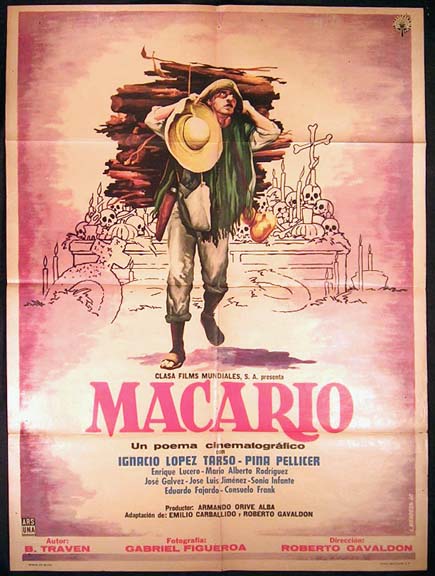
"Senki" (literally "Shadows") is the story of Dr. Lazar Perkov (Borce Nacev), a young doctor that seems to have everything: a great job at his mother Vera's (Sabina Ajrula) clinic, and a beautiful family with his young wife Gordana (Filareta Atanasova) and their little child. Nevertheless, Lazar lives under the shadow of his domineering mother and at odds with Gordana, whom is dissatisfied with their marriage. One night an angered Lazar leaves home for a night drive when he has a terrible car accident. Miraculously, Lazar survives, and begins to reconstruct his life. He moves to Skopje in order to start again, a decision that bothers Gordana who prefers to remain at their beach house. Alone, Lazar receives strange visits of a mysterious old lady (Joana Popovska) who speaks to him in a strange dialect. Lazar goes to the university to find someone able of translating the words, and finds help in Menka (Vesna Stanojevska), assistant and wife of an etymology professor. But the message hides a dark secret, and Lazar's trip through the shadows is about to begin.
With a screenplay written by director Milcho Manchevski himself, it could be said that "Senki" follows the classic pattern of ghost stories, with Lazar trying to discover exactly why is he being visited by ghosts, and what does he need to do to stop it. Strictly speaking, in terms of storyline there is no new ground here, but a close attachment to the traditional way; however, Manchevski spices this closeness to the classic formula with nice tidbits of Macedonian folklore, a rich set of well defined characters, and quite a puzzling and ambiguous mystery. To put it in another way, Manchevski's originality is in the details rather than in the plot. And in fact, ambiguity could be named as the key element in "Senki", as the intricate plot twists and turns making Lazar's journey more and more confusing with every plot twist. To be fair, Manchevski manages to keep the plot interesting despite this, but unfortunately, it does reach a point where the plot gets a tad too messy and convoluted for its own good.
But, if the story feels typical and formulaic, the work of Manchevski as a director gives "Senki" a very distinctive visual style that sets it apart from other ghost stories. With the beautiful work of veteran Italian cinematographer Fabio Cianchetti, Manchevski captures both the magnificent beauty of Macedonian countryside, and the gritty urban landscape of Skopje. Visually, Manchevski makes the point of having a sharp contrast between the abandoned natural life of the countryside and the nightmarish, overcrowded madness of the city. Interestingly, while resorting to traditional clichés of the genre (jump scares for example), Manchevski's deals with the supernatural forces in a less shocking way, a more lyrical or naturalistic one. Instead of having the ghosts noticeably otherworldly, the spirits in "Senki" walk the world as if they were still part of it, without any great display of special effects. Whether this was a budget limitation or a stylistic choice, the bottom line is that it does give "Senki" with a quite distinctive atmosphere of its own.
While perhaps not the best leading man in a ghost story, actor Borce Nacev makes an efficient job for the most part, capturing nicely the essence of his troubled character. Capturing Lazar's alienation, Nacev carries the film skillfully, though at moments he does seem a tad wooden and stiff. Nevertheless, his work is benefited by the revelation that is actress Vesna Stanojevska, who plays Menka. A classical musician making her acting debut, Vesna shows an enormous natural talent and a great ability to portray her intriguing character. Ambiguous, mysterious, and complex in nature, Menka is perhaps the character that would make or break "Senki", and fortunately, Vesna's performance is truly a wonder. Sabina Arjula, as Lazar's domineering mother is another strong figure in the cast, as she practically steals every scene she is in with her commanding stage presence. Less fortunate is actress Filareta Atanasova, who plays Lazar's wife Gordana, though to be fair, her role is underwritten to the point of being almost a mere caricature of the unfaithful wife.
As written above, "Senki" is not exactly the most original film in horror cinema, and on top of that, its traditional linear narrative may be a surprise to those expecting something akin Manchevki's previous films. Nevertheless, that's far from being a flaw being that Manchevski plays with the formula to make it his own, dressing it with his stylish visual style to give it a different flavor. While formulaic, "Senki" looks and feels unlike most ghost stories, despite being essentially the same tale, and that's perhaps the mark of a skilled storyteller. Now, the true problem in "Senki" is that at times it seems to ramble on for too long, reaching the point of getting a bit tedious. It is one of the cases where the story would had been benefited by some editing. This becomes all the more noticeable as the convoluted plot leaves a couple of loose ends untied, as if there had not been enough work in tightening the screenplay. However, this doesn't diminishes the enjoyment, though it prevents it from being truly great.
Perhaps "Senki" will go on history as one of Manchevski's "lesser films", but as a genre film, it certainly offers a different kind of ghost story that proves that a known formula can receive a breath of fresh air. It's definitely a film that follows that idea of "style over substance", though fortunately, Manchevski's style is a lyrical one that certainly guarantees a visual joy. In the end, "Senki" faces the problem of its audience's expectations: those expecting art-house exoticism may find it too Hollywoodish, while horror fans may see it as too unoriginal and tame for the genre. One should forget these preconceived judgments and enjoy "Senki" for what it is: not a masterpiece, but a ghost story with a different flavor.
7/10
-------------------------------
October 24, 2011
Sauna (2008)
Traditionally, Saunas are specifically the Finnish bathhouses and the traditional baths that take place in them. It is certainly one of Finland's oldest traditions, where the sauna was considered a place not only to cleanse the body, but the mind as well, and even the spirit. It was also a place where Finnish women went to gave birth, and when the dead were washed and prepared for burial. It was more than a refugee from the outside cold of Finland, but basically a holy place where life and death got together and where a spiritual connection could be felt. For the Finnish, saunas became a highly important part of daily life. Many ancient beliefs exist around saunas, most of the related to the spiritual aspect of the bath: the cleansing of the spirit, and the washing of the sins. This ancient tradition serves as the basis for Finnish filmmaker Antti-Jussi Annila's film "Sauna", an atmospheric tale of horror set in the aftermath of the brutal Russo-Swedish war of the 16th century, in which Finland (being part of Sweden) was the battlefield.
"Sauna" is set in 1595, after the war between Russia and Sweden has just concluded and the borders between the two countries have been changed once again, making necessary to chart the new map of the territories nowadays known as Finland. Two brothers, Eerik (Ville Virtanen) and Knut (Tommi Eronen) are part of the Swedish commission assigned to the mission, Eerik as an experienced soldier, and Knut as the main's cartographer. Their relationship isn't exactly amicable, with Eerik feeling disdain of Knut's pacifist views, while at the same time Knut feels uneasy around his ruthless older brother, who keeps a tally of how many people he has killed. Traveling through the devastated Finnish land, the group begins to experience strange events, and the brothers are haunted by the dark sins of their past. Their sanity is put to the test, haunted by the spirit of a girl (Vilhelmiina Virkkunen). Confused and exhausted, the group arrives to a strange village. In the village's sauna, the brothers may be able to wash their sins, but there is a terrible secret hidden in it.
Written by screenwriter Iiro Küttner (who also penned director Annila's feature length debut "Jadesoturi"), "Sauna" is an interesting horror film that takes the concept of guilt as its central theme. Both brothers are guilty, and the guilt affects them in different, yet horrifying ways. The sauna of the title is the catalyst for the horror that will be unleashed on them, as their guilt begins to overpowers them, personified in the figure of the young woman. And yet, both brothers' personalities have been shaped by the war they just lived. Even Knut, whom perhaps wasn't as directly involved as Eerik, has found his life changed by the dehumanizing effects of the brutal war. In "Sauna", not only war is hell, but also leaves its surviving participants in a hellish purgatory. The difficult relationship between the brothers is also an interesting element that Küttner tackles in "Sauna", as both brothers are resentful of each other's different views on the war. In "Sauna", Iiro Knütter has achieved to write a strong low key horror film based almost entirely on character development.
Perhpas the greatest asset of "Sauna" is the ominous atmosphere of dread that director Antti-Jussi Annila conjures for his film. Giving great use to the remarkable work of cinematography done by Henri Blomberg, Annila captures in "Sauna" the strange beauty of violence, in the shape of the desolated Finnish lands ravaged by the war. Desolation is the key word of the film, as the vast cold outskirts of Finland seem to mirror the infinite desolation of the brother's souls. Through the woods and the swamps of Finland, the characters' journey mirrors a trip through a lonely purgatory with hell as final destination. Annila's film moves at a slow pace, but it feels all the more appropriate to discover the hidden secrets of these two characters, which are like two sides of the same coin: the scientist and the warrior, both dehumanized by the war and transformed in different yet similar monsters. In more than a way, their filial hate (which is more than mere rivalry) represent the Finns torn between Russian and Swedish domain.
The film is also benefited by having two great performances in the lead characters, particularly the case of Ville Virtanen as the tired soldier Eerik. Ville truly makes a haunting portrait of the tortured Eerik, whose only skill seems to be to kill people, and who feels tired and obsolete in times of peace. Fully dehumanized by the war, Eerik is a man without purpose, and Ville captures this desolation in a dramatic performance. While the film is seen through his brother's eyes, it is certainly Ville who carries the film with great strength, making him easily one of the highlights of the film. As Eerik's younger brother Knut, Tommi Eronen makes for a nice counterpart, playing the bookish scientist who embodies guilt and confusion as their damnation approaches. While apparently a pacifist, Knut has his own sins to wash, and Eronen manages to showcase the complex feeling of guilt that Knut has. The rest of the cast, while a lot less prominent, are truly up to the challenge and for the most part make a great job.
Highly atmospheric and slow paced, Annila's "Sauna" is not the kind of horror that's based on graphic shock, but instead it aims for a different kind of fear. An unnerving sensation of dread that's more disturbing than downright frightening, yet at the same time ultimately fascinating. Contemplative and even metaphysical, "Sauna" has a somber tone and, while not resorting explicitly to the old Finnish myths, there is an implicit spiritual connection to the supernatural at the heart of this tale of horror and madness. If there's any flaw in "Sauna", it must be that its plot line may get a bit too convoluted and ambiguous for its own good, and it certainly would had been benefited by some more minutes of runtime. Granted, this ambiguity is part of the film's charm, but the climax is a tad too rushed and short to be completely satisfying. However, despite this minor quibbles, "Sauna" is a wonderful journey to the darker sides of the human soul, and an unnerving story about two souls being consumed by guilt.
While sharply different in tone and style to his previous film "Jadesoturi", Annila's second film "Sauna" (alternatively titled "Filth" or "Evil Rising") showcases again the same vibrant originality showed in his debut, yet coupled now with greater maturity and a brilliant sense of aesthetic. Haunting and owner of a strangely captivating beauty, "Sauna" is a powerfully disturbing horror film that, despite not being particularly graphic or shocking, truly captures the horrific, nightmarish images of a soul tortured by guilt. Perhaps "Sauna" is not exactly a masterpiece of horror cinema, but it's a remarkable achievement by its own right and shows that director Antti-Jussi Annila and scriptwriter Iiro Küttner truly make a promising team. This tale of medieval horror is certainly, a beautifully haunting experience.
8/10
-------------------------------
"Sauna" is set in 1595, after the war between Russia and Sweden has just concluded and the borders between the two countries have been changed once again, making necessary to chart the new map of the territories nowadays known as Finland. Two brothers, Eerik (Ville Virtanen) and Knut (Tommi Eronen) are part of the Swedish commission assigned to the mission, Eerik as an experienced soldier, and Knut as the main's cartographer. Their relationship isn't exactly amicable, with Eerik feeling disdain of Knut's pacifist views, while at the same time Knut feels uneasy around his ruthless older brother, who keeps a tally of how many people he has killed. Traveling through the devastated Finnish land, the group begins to experience strange events, and the brothers are haunted by the dark sins of their past. Their sanity is put to the test, haunted by the spirit of a girl (Vilhelmiina Virkkunen). Confused and exhausted, the group arrives to a strange village. In the village's sauna, the brothers may be able to wash their sins, but there is a terrible secret hidden in it.
Written by screenwriter Iiro Küttner (who also penned director Annila's feature length debut "Jadesoturi"), "Sauna" is an interesting horror film that takes the concept of guilt as its central theme. Both brothers are guilty, and the guilt affects them in different, yet horrifying ways. The sauna of the title is the catalyst for the horror that will be unleashed on them, as their guilt begins to overpowers them, personified in the figure of the young woman. And yet, both brothers' personalities have been shaped by the war they just lived. Even Knut, whom perhaps wasn't as directly involved as Eerik, has found his life changed by the dehumanizing effects of the brutal war. In "Sauna", not only war is hell, but also leaves its surviving participants in a hellish purgatory. The difficult relationship between the brothers is also an interesting element that Küttner tackles in "Sauna", as both brothers are resentful of each other's different views on the war. In "Sauna", Iiro Knütter has achieved to write a strong low key horror film based almost entirely on character development.
Perhpas the greatest asset of "Sauna" is the ominous atmosphere of dread that director Antti-Jussi Annila conjures for his film. Giving great use to the remarkable work of cinematography done by Henri Blomberg, Annila captures in "Sauna" the strange beauty of violence, in the shape of the desolated Finnish lands ravaged by the war. Desolation is the key word of the film, as the vast cold outskirts of Finland seem to mirror the infinite desolation of the brother's souls. Through the woods and the swamps of Finland, the characters' journey mirrors a trip through a lonely purgatory with hell as final destination. Annila's film moves at a slow pace, but it feels all the more appropriate to discover the hidden secrets of these two characters, which are like two sides of the same coin: the scientist and the warrior, both dehumanized by the war and transformed in different yet similar monsters. In more than a way, their filial hate (which is more than mere rivalry) represent the Finns torn between Russian and Swedish domain.
The film is also benefited by having two great performances in the lead characters, particularly the case of Ville Virtanen as the tired soldier Eerik. Ville truly makes a haunting portrait of the tortured Eerik, whose only skill seems to be to kill people, and who feels tired and obsolete in times of peace. Fully dehumanized by the war, Eerik is a man without purpose, and Ville captures this desolation in a dramatic performance. While the film is seen through his brother's eyes, it is certainly Ville who carries the film with great strength, making him easily one of the highlights of the film. As Eerik's younger brother Knut, Tommi Eronen makes for a nice counterpart, playing the bookish scientist who embodies guilt and confusion as their damnation approaches. While apparently a pacifist, Knut has his own sins to wash, and Eronen manages to showcase the complex feeling of guilt that Knut has. The rest of the cast, while a lot less prominent, are truly up to the challenge and for the most part make a great job.
Highly atmospheric and slow paced, Annila's "Sauna" is not the kind of horror that's based on graphic shock, but instead it aims for a different kind of fear. An unnerving sensation of dread that's more disturbing than downright frightening, yet at the same time ultimately fascinating. Contemplative and even metaphysical, "Sauna" has a somber tone and, while not resorting explicitly to the old Finnish myths, there is an implicit spiritual connection to the supernatural at the heart of this tale of horror and madness. If there's any flaw in "Sauna", it must be that its plot line may get a bit too convoluted and ambiguous for its own good, and it certainly would had been benefited by some more minutes of runtime. Granted, this ambiguity is part of the film's charm, but the climax is a tad too rushed and short to be completely satisfying. However, despite this minor quibbles, "Sauna" is a wonderful journey to the darker sides of the human soul, and an unnerving story about two souls being consumed by guilt.
While sharply different in tone and style to his previous film "Jadesoturi", Annila's second film "Sauna" (alternatively titled "Filth" or "Evil Rising") showcases again the same vibrant originality showed in his debut, yet coupled now with greater maturity and a brilliant sense of aesthetic. Haunting and owner of a strangely captivating beauty, "Sauna" is a powerfully disturbing horror film that, despite not being particularly graphic or shocking, truly captures the horrific, nightmarish images of a soul tortured by guilt. Perhaps "Sauna" is not exactly a masterpiece of horror cinema, but it's a remarkable achievement by its own right and shows that director Antti-Jussi Annila and scriptwriter Iiro Küttner truly make a promising team. This tale of medieval horror is certainly, a beautifully haunting experience.
8/10
-------------------------------
Labels:
2000s,
Czech Cinema,
Drama,
Finnish Cinema,
Horror,
Mystery,
Reviews
Subscribe to:
Posts (Atom)